" transform="translate(6 9)" width="12px"/></svg>)
My Role
Responsible for UI/UX, Logo, Graphic design
Timeline
MVP stage app & logo redesign
Team
1 Project Manager・4 Engineers・1 Designer
Overview
Bridgefy came to us with a clear brief — refresh the product with a new brand logo, visual identity, and improved UI/UX. Every design decision needed to work within the team's existing modular framework.
Within one month, I proposed a new brand logo, delivered UI/UX improvements, and client management dashboard — all completed together with the team in 4 weeks.
*This case study only discloses information within a reasonable scope.

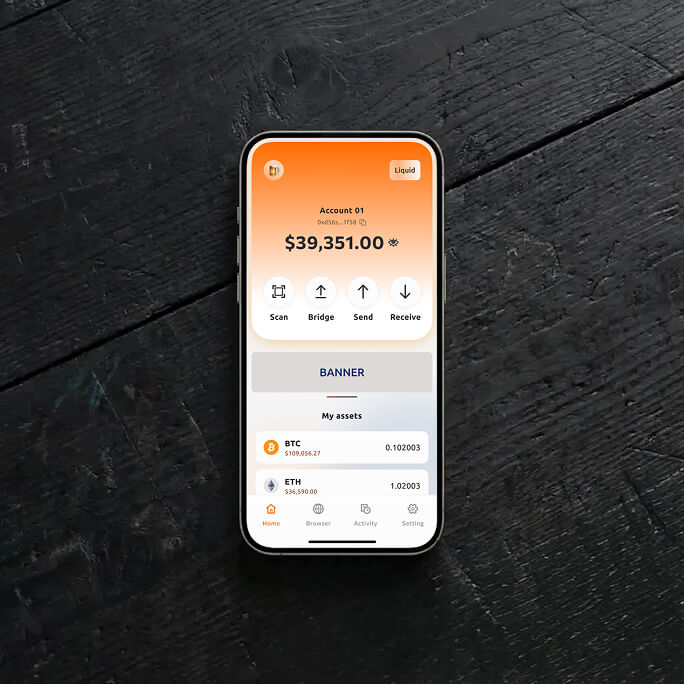
Impact & Achievements
Delivered the project's core scope within 4 weeks
Adapted quickly and delivered the full scope in 4 weeks — brand identity, core flows, and admin dashboard.
Rebuilt brand identity and established a clear visual foundation
Nailed the brand direction in first week, then built the Design System alongside, keep visuals consistent.
Built client trust and kept the project moving forward
Kept the client in the loop with regular updates. Built a solid working relationship that helped the project stay on track.
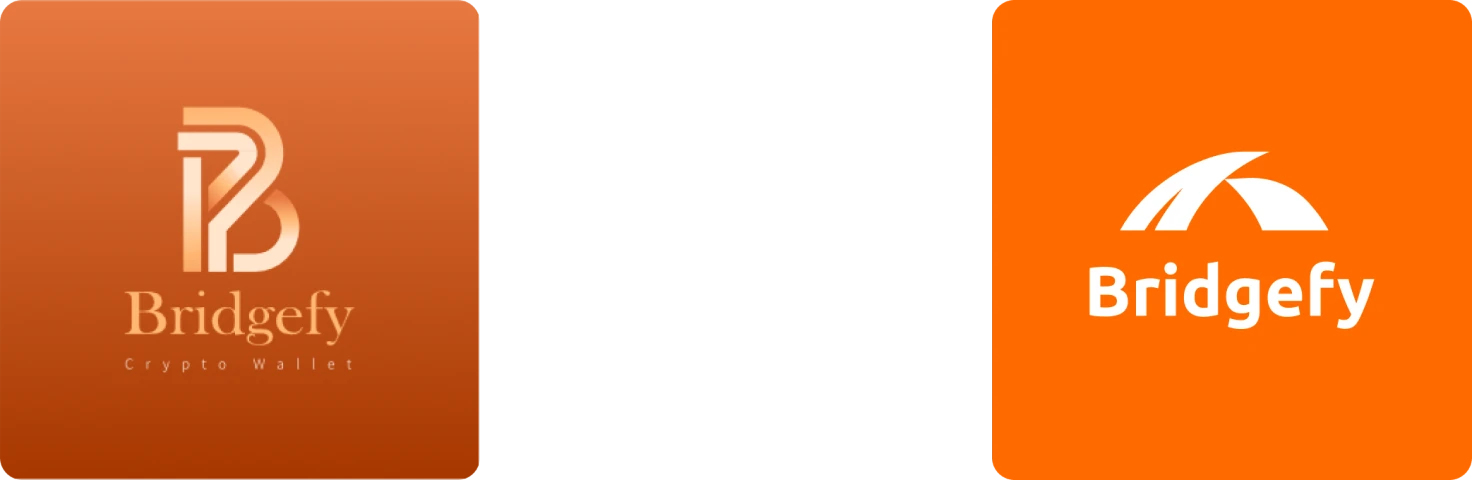
Redesign Logo & color
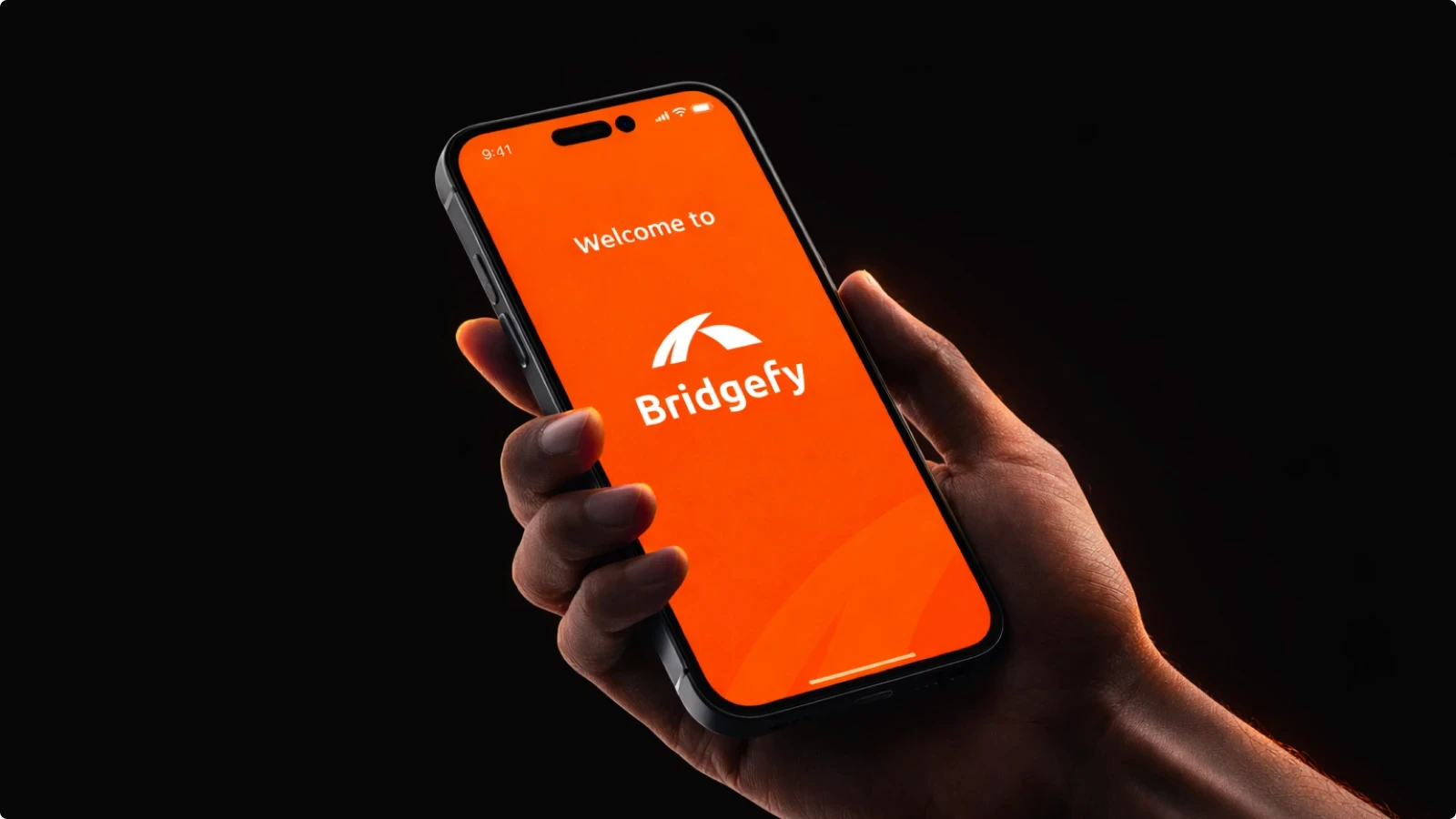
The original logo lacked clarity in its pairing of typeface and symbol, and couldn't support the client's future brand direction. The logo redesign ran in parallel with the UI/UX work — aligning on direction and confirming requirements within the first week, quickly converging on an identity system that fit the brand positioning.
Problem & Challenge
Existing Framework Constraints
The app was built on a modular framework — design decision had to work within it. Common issues: logic conflicts, missing functionality (like custom KYC), or modules that needed small tweaks.
Shifting External API Specs
The Bridge feature required an external API integration, with specs going through multiple rounds of confirmation — requiring the design to adapt at any time.
Parallel Works
Brand and UI/UX had to move at the same time, while KYC and wallet migration were still being figured out — timeline management was key.
Define & Research
Work priorities were set based on project timeline, scope, and team readiness. In the early stage, the logo and color direction were confirmed first, iterating quickly with the client to align on direction.
For the flows — converting USDT from Liquid into other chains was the core feature and clearest starting point, so it was tackled first.
Wallet migration required further discussion with the client, and KYC details were still being confirmed. Since KYC was relatively straightforward, both were deprioritized without blocking the rest of the team's progress.
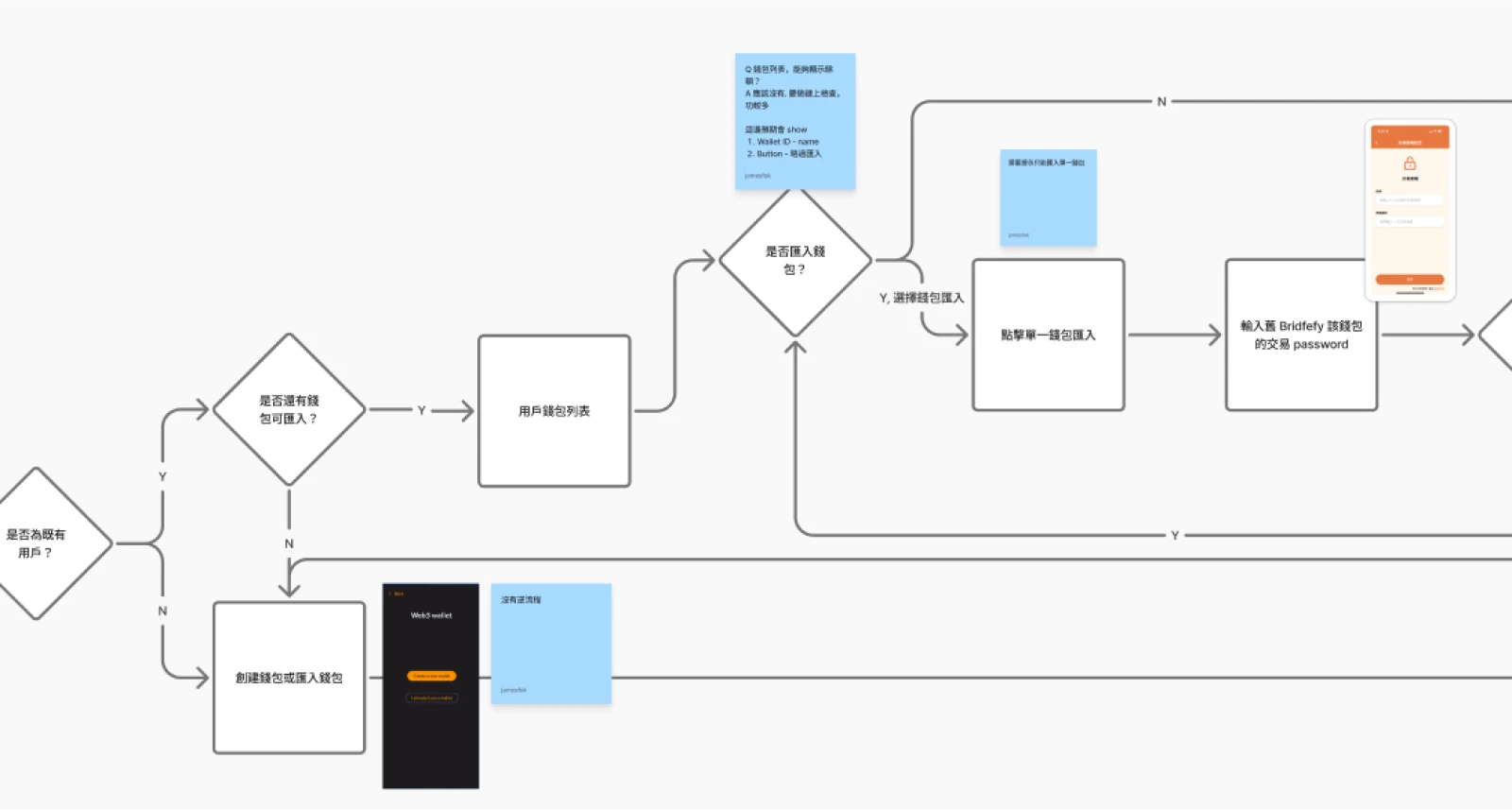
Onboarding process
UI/UX
Covered four core flows:
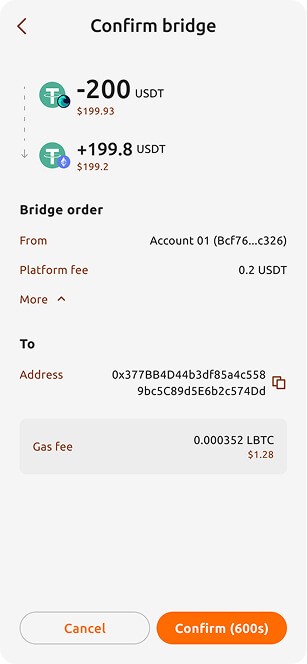
Bridge USDT from Liquid chain to other chains
Wallet migration for existing users
KYC onboarding
Operations management platform
For each flow, I mapped the user flow, explored layout directions, and iterated based on team feedback — keeping interactions simple and clear within the existing framework. Especially for the Bridge flow, where trust and transparency are critical in a crypto context.
Final screens were delivered with detailed annotations to support a smooth developer handoff.
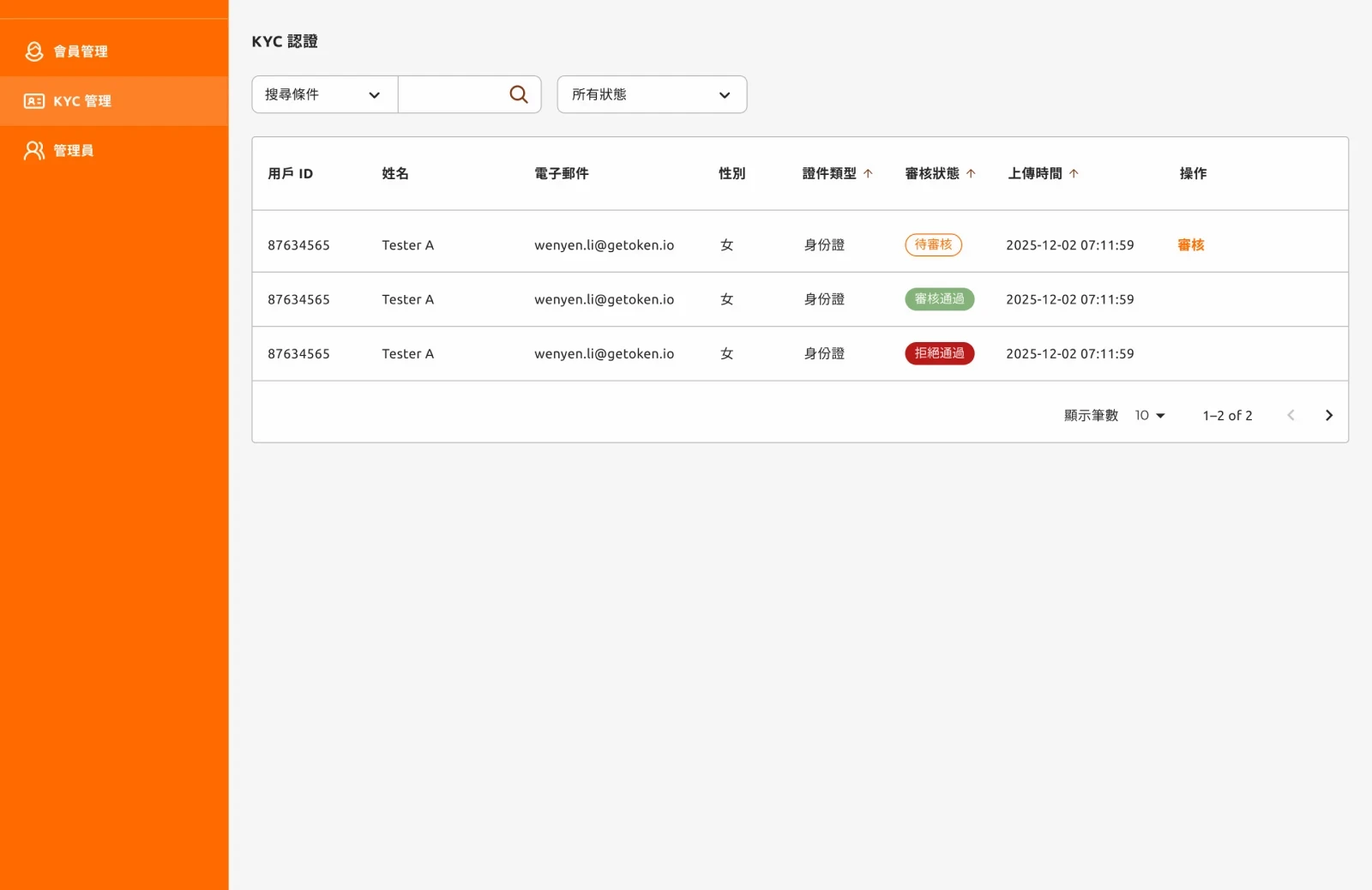
Operation management dashboard.
Design System
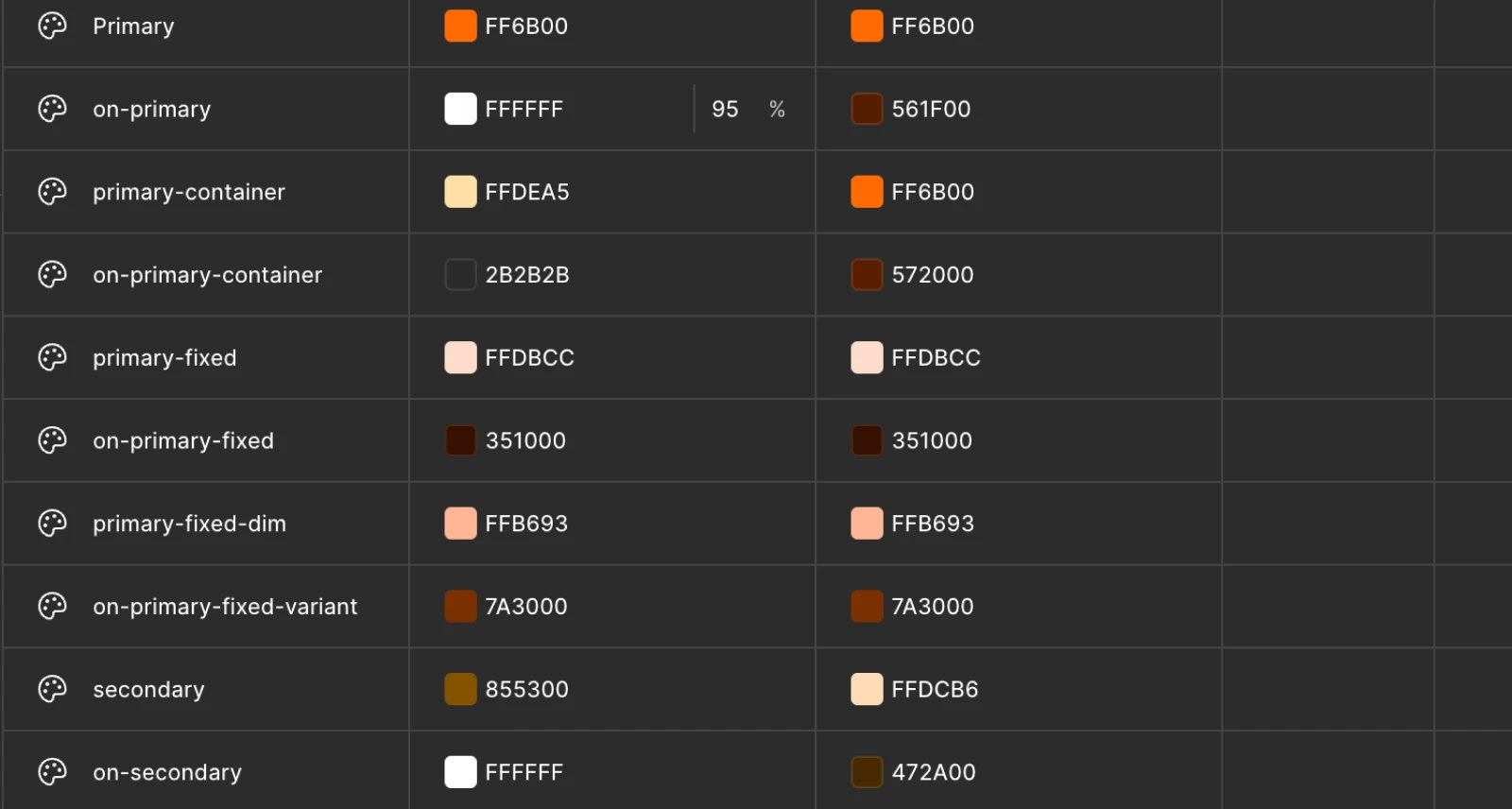
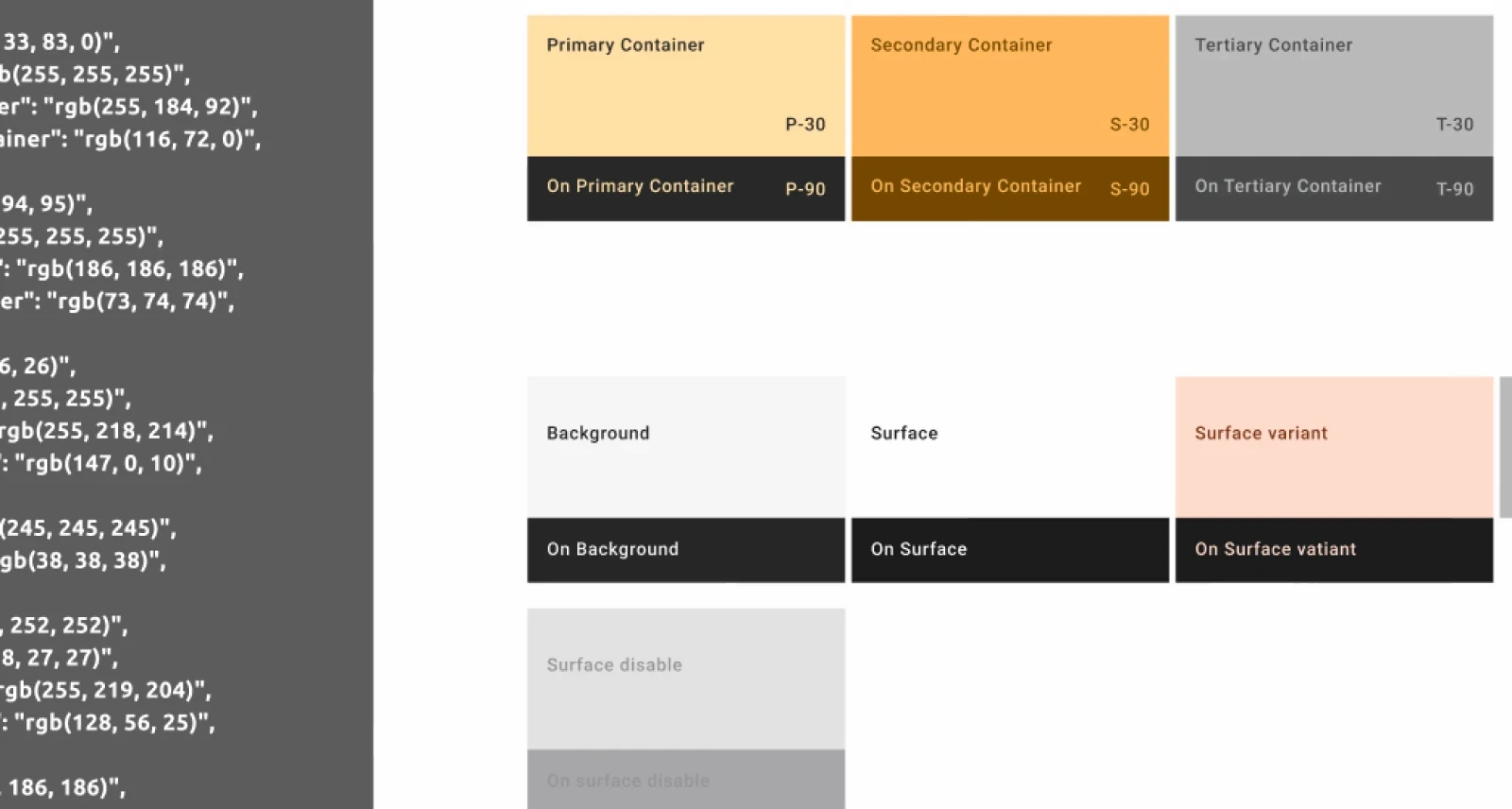
To support both speed and consistency, I built a lightweight design system aligned with the team's existing framework.
It covers typography, color tokens, components, and layout variables — giving designers and engineers a shared language to work from. Color tokens were structured for CSS export, minimizing rework during developer handoff.
Transaction flow
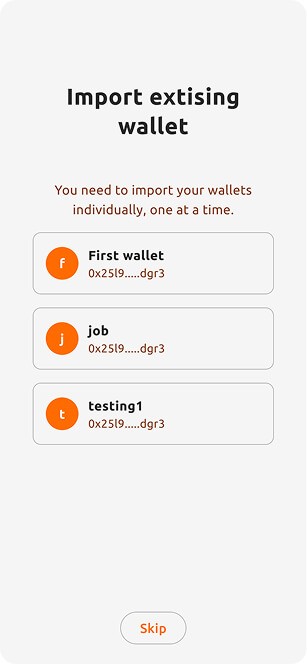
Import wallet
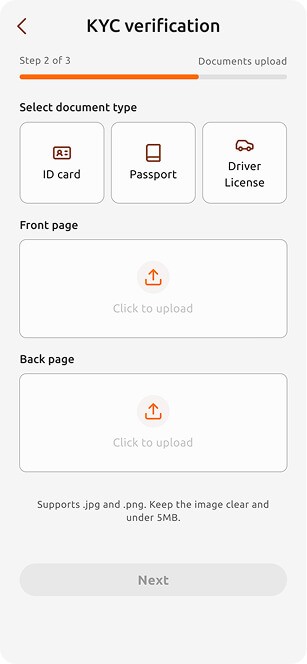
KYC onboarding
Key Findings & Learning
Under time constraints, aligned quickly with the team and made decisions and trade-offs throughout the process.
On client communication — assessed team status and project progress first, then responded to client questions and requests with a clear basis.
Design decisions were always tied to product impact, helping the team stay focused and move forward with shared priorities.
Keeping scope focused and trade-offs explicit allowed the team to ship with confidence. The improved visual quality also strengthened client trust, creating a more positive dynamic for future discussions and iterations.
If the project continued, what would I do next?
Continue optimizing the client's website, aligning it with the rebuilt visual language.
Collaborate with the client to identify key difference from other wallets on the market.