" transform="translate(6 9)" width="12px"/></svg>)
My Role
Responsible for UI/UX, Logo and leading a designer
Timeline
Design 0-1 Game-fi NFT marketplace
Team
2 PMs・5 engineers・2 designer
Overview
METASENS is a GameFi platform integrating NFT auction trading, item application, and token exchange. I led the overall design on this project, ensuring visual and interaction consistency; and collaborated with a fellow designer to complete core feature design, successfully taking the product from concept to launch.
The platform has completed its milestones and has since closed. The interfaces shown in this case study reflect the final version during active operation.

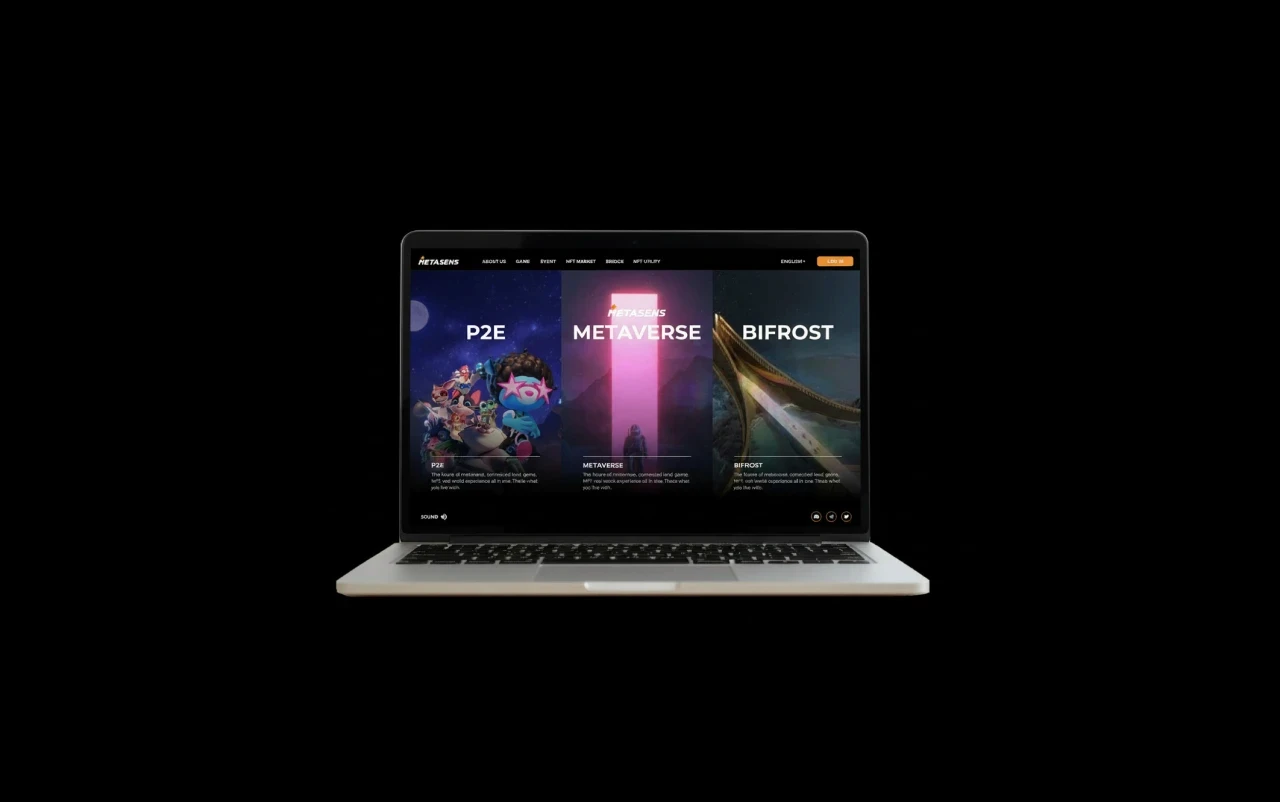
Impact & Achievements
Lead Design 0-1
Led full design of NFT marketplace from 0-1 — Design System, UI/UX, visual identity, and motion interactions — supporting NFT transactions and multi-chain asset conversion flows.
Market Success
Designed intuitive Web3 interaction flows. The platform successfully collaborated with PhantaBear and Demi-Human, driving 700 Petarush NFTs to a complete sell-out. The first METASNAKE NFT sale was oversubscribed by 146%.
Award-Winning
Awarded with the Digital Singularity Awards (DSA) — Best Technology Innovation Award (Silver).
Problem & Challenge
Balancing Blockchain Logic with User Experience
Blockchain logic differs significantly from traditional financial products, making it less intuitive for new users and lead to drop-off or distrust.
Visual management across diverse IP assets
The platform's goal was to become a "metaverse theme park" — bringing in different types of games and hosting assets from various IP styles. How can the UI serve as a neutral container for diverse art styles without visual noise?
Cross-team collaboration, maintenance & management
Managing cross-functional syncs and a dual-designer workflow in rapid iterations was a key challenge. I focused on bridging the gaps between design and engineering to ensure stable, on-schedule delivery.
Qualitative Research
Researched major NFT projects including BAYC, CryptoPunks, and Azuki to understand collection mechanics and market positioning
Analyzed leading NFT marketplaces — Opensea, LooksRare, Magic Eden — deconstructing their trading flows and operational mechanics
Studied GameFi platforms including Axie, Sandbox, and Cryptokitties to understand NFT attribute information architecture
Monitored community channels and media to observe NFT industry trends and user behavior patterns
Strategy
Building a cross-IP metaverse game hub: The core product strategy focused on "asset (NFT) empowerment" and a "cross-IP ecosystem." By creating a metaverse theme park where a single NFT (One-for-All) grants access to all games on the platform, players can enter Web3 seamlessly — transcending the lifecycle of traditional game assets — while the business establishes an early foothold in the Web3 market.
For B2B: Lower the barrier to entering Web3 by providing a platform for NFT issuance and inviting game publishers to join, accumulating platform value.
For B2C: Provide a trading platform that enables game assets to circulate freely.
Multi-IP NFT Auction & Trading Market — A cross-IP NFT launching and auction platform where players can trade, mint, open blind boxes, and bridge across chains.
P2E System — Intuitive flows that lower the barrier to Web3 interaction, giving players visibility into their P2E earnings and building long-term engagement.
Asset Empowerment — Through P2E, item usage, and breeding flows, players can enhance the value of their own assets, increasing market activity and trading incentives.
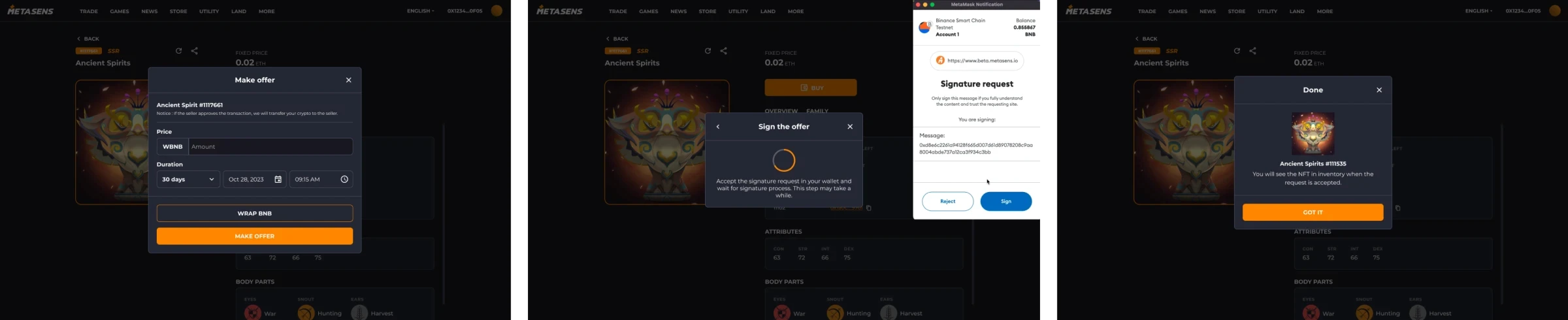
NFT offer flow: from entering an amount to confirming the time window, with contextual hints during the waiting period to reduce user anxiety.
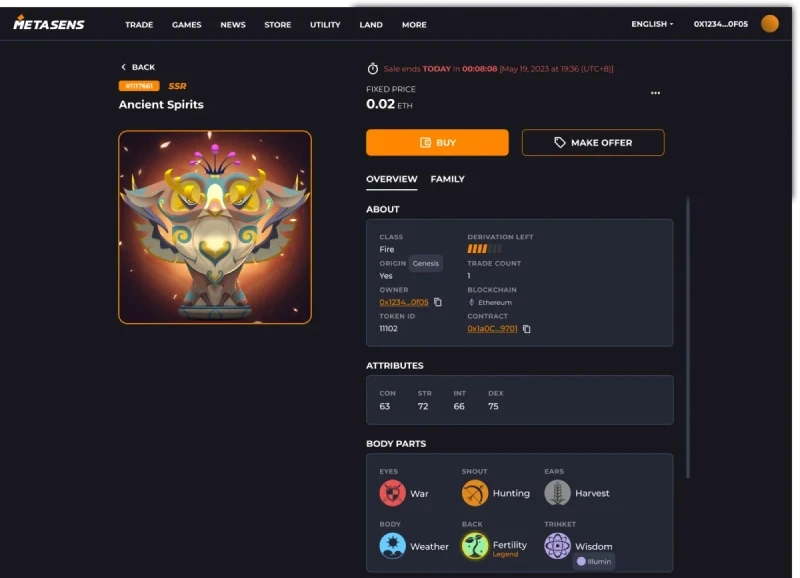
NFT detail page: information prioritized by what users care about most, accelerating purchase decisions and driving revenue for the platform and sellers.
Design Process Overview
Market Research: Analyzed leading products including Opensea, Axie, and Sandbox; deconstructed P2E, NFT, and crypto wallet trading mechanics.
Requirements Alignment: Collaborated with PM to define product specifications and worked closely with the engineering team to ensure UI flows were compatible with blockchain logic (wallet signing, on-chain confirmation, etc.).
Build the Foundation: Established the visual identity and built a design system from zero, laying the groundwork for long-term feature iteration.
Iterate and Deliver: Weekly iteration cycles with defined timelines and handoff.
Design team responsibilities:
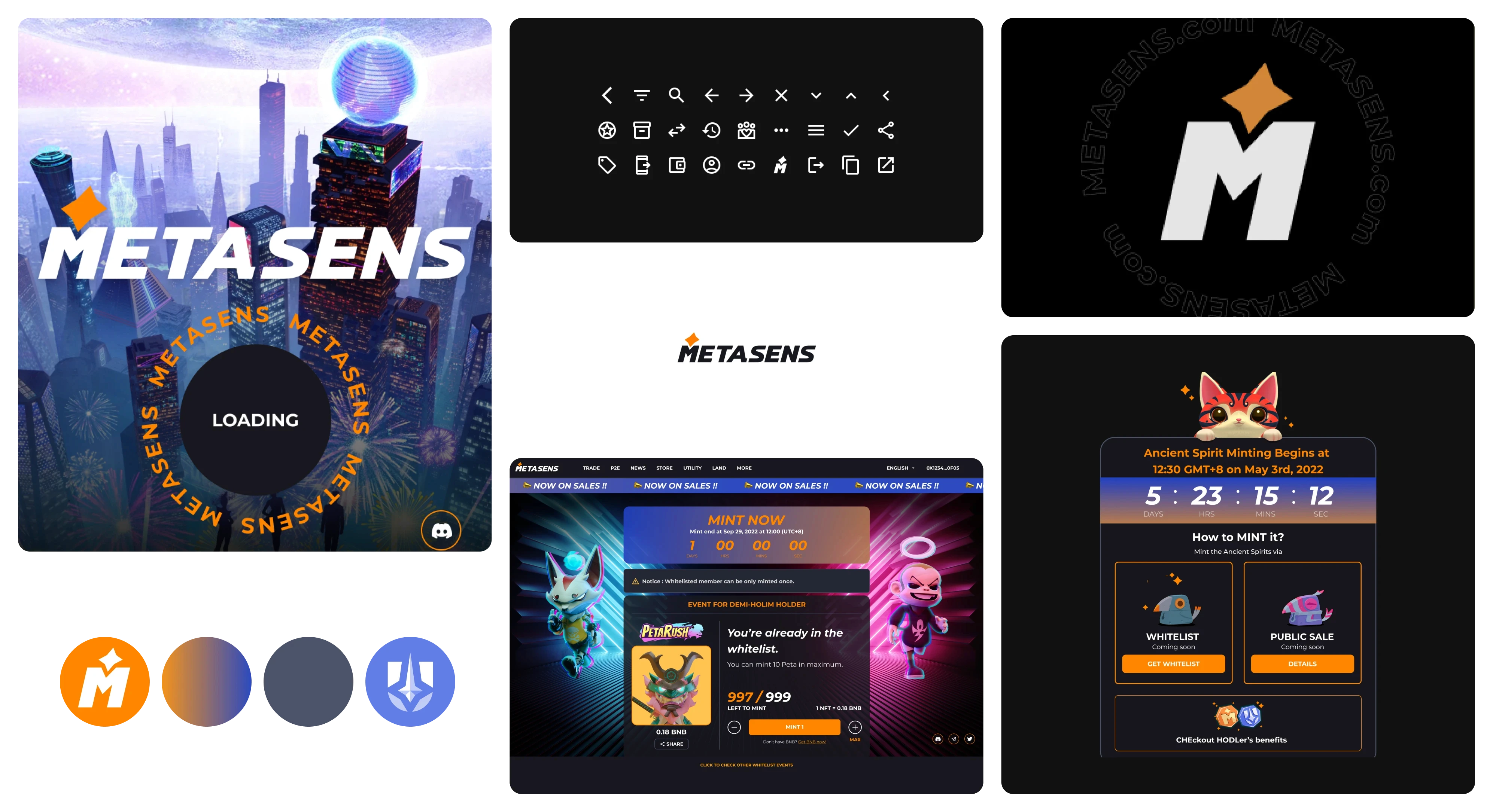
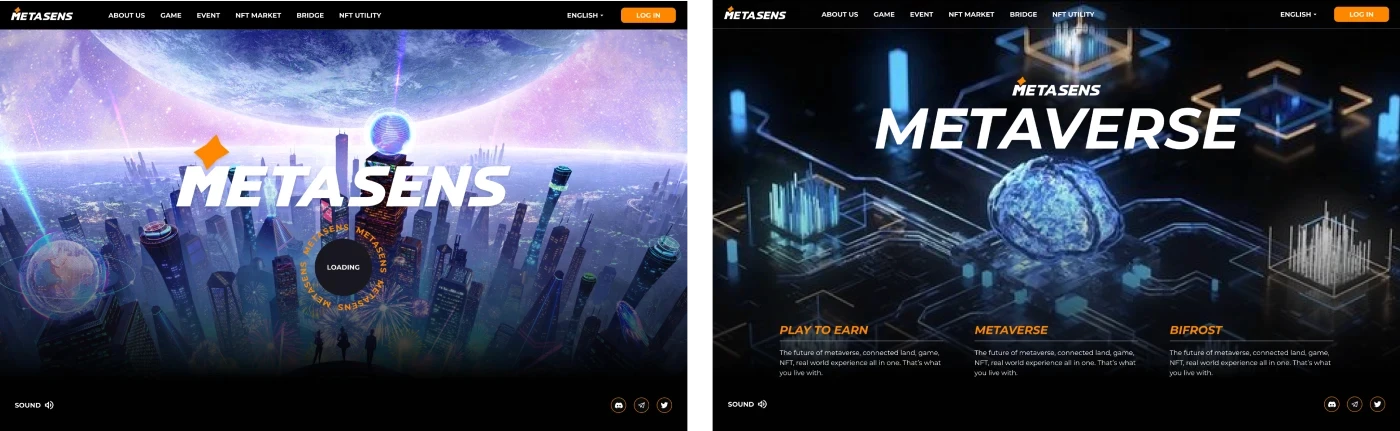
Brand Visual & Experience: Led logo proposals and definition; designed campaign landing pages to improve conversion and attract players.
Design System: Defined color, typography, component library, and micro-animations — a scalable system built to reduce development and maintenance costs.
Product Architecture: Planned flows and wireframes to simplify interactions and reduce cognitive load; built prototypes for testing and iterated based on feedback.
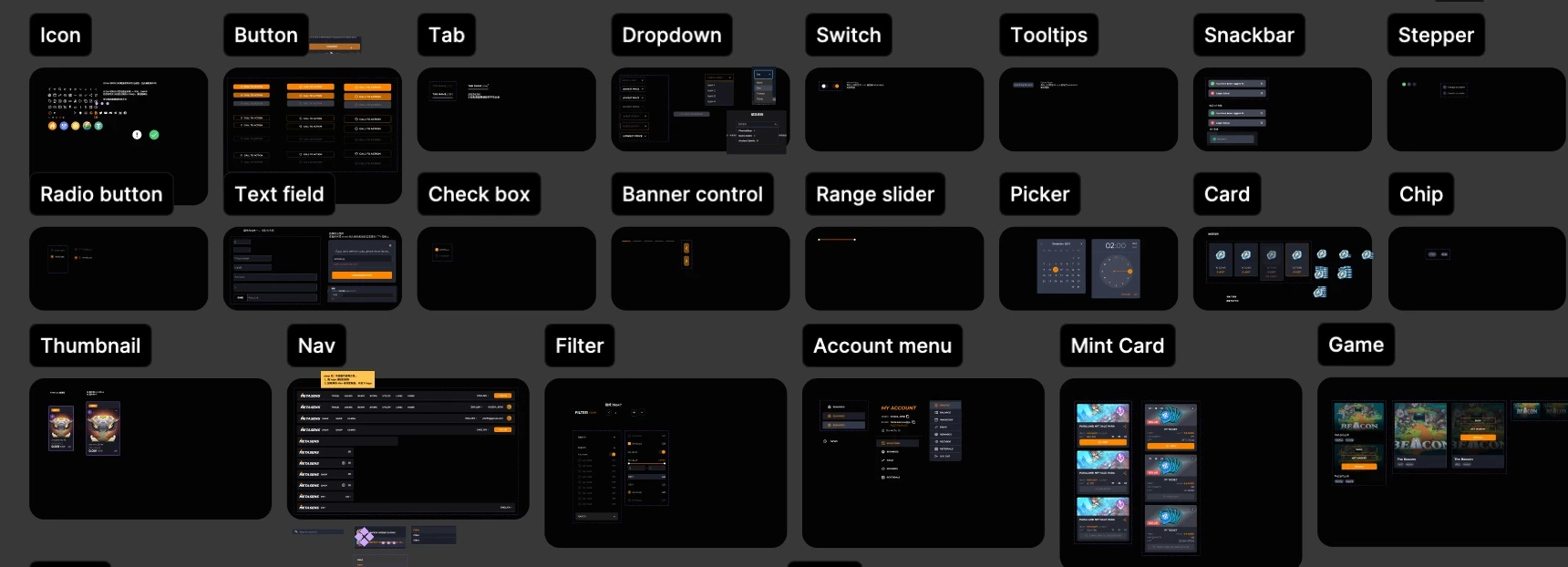
The design component library reduced development costs and improved consistency across the team.
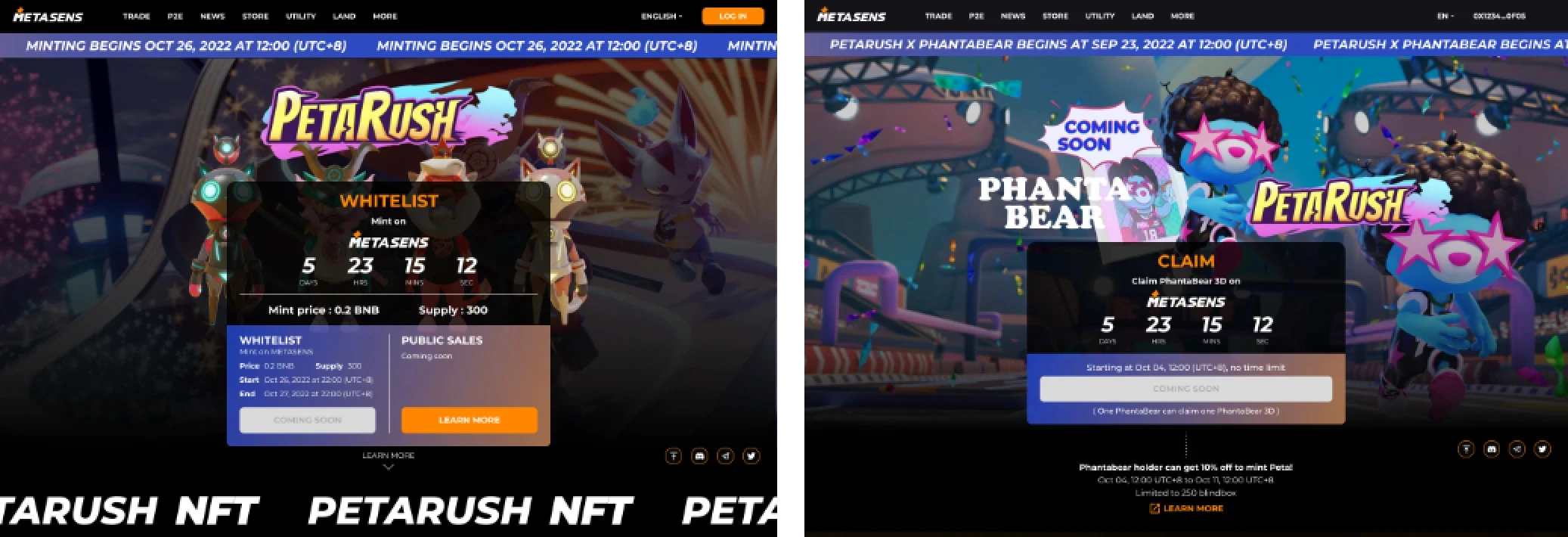
Modular campaign pages — eliminating most repetitive work and freeing up resources for other projects.
Designed motion interactions to reduce perceived wait time during on-chain transactions, giving users positive feedback.
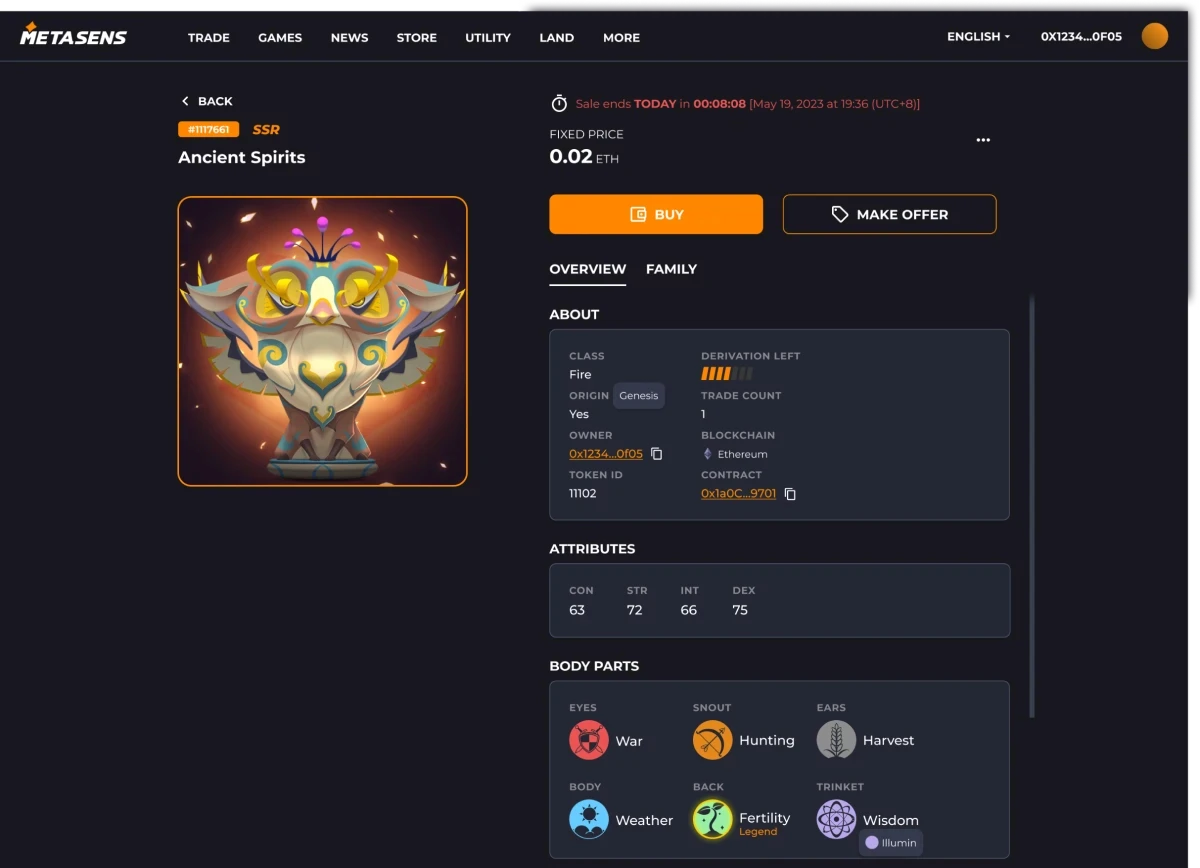
NFT detail page
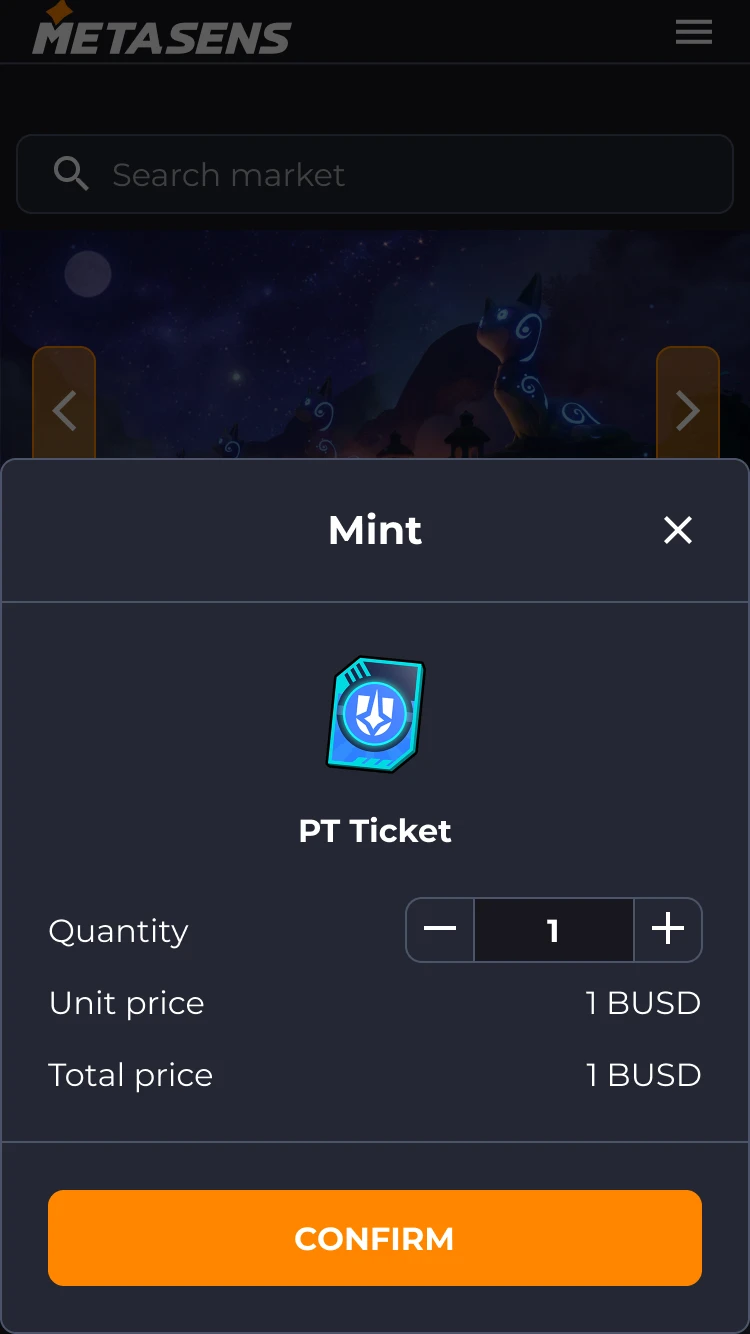
Mint with dialog modal
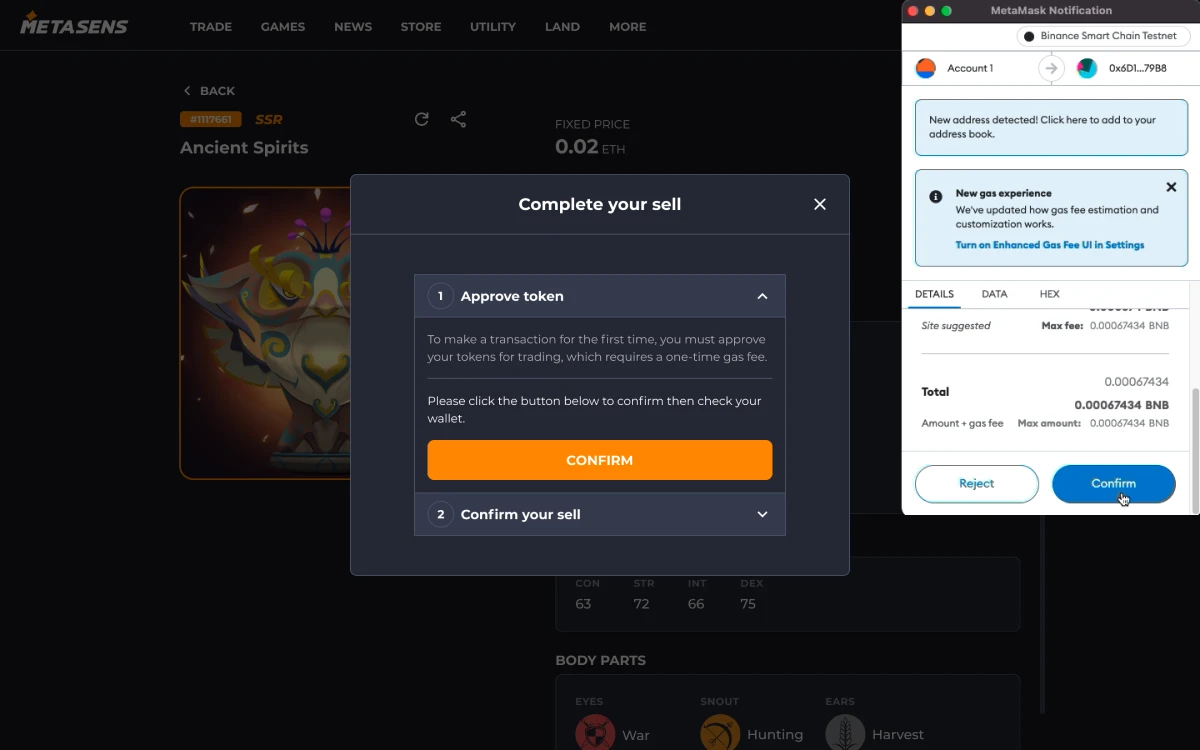
Purchase process - approve token
Proposing different directions within the project, finding shared ground and delivering.
Key Findings & Learnings
The conversion bottleneck for Web3 onboarding lies in wallet operations and asset conversion flows — these are where users drop off most in NFT trading.
Stay purpose-driven: good design isn’t about unconstrained creativity, it’s about finding the optimal solution within technical constraints — and ensuring the product ships on time.
Modular development and efficiency management: using the design system as a team-wide standard, I led the core visual direction and component specs, directing the other designer to develop feature modules in parallel — effectively reducing rework, improving team throughput, and ensuring consistently high-quality delivery.
Put yourself in someone's shoes: standing at the intersection of design and engineering, I maintained transparent communication with the PM, engineering team, and stakeholders — balancing product business goals with technical feasibility to ensure every design decision had real implementation value.
If the product continued, what would I do in 2026?
Use AI to design flexible, modular campaign page templates — enabling high customize for different IP partnerships. This would maintain visual quality while significantly reducing engineering workload, improving operational efficiency, and attracting more game publishers to the platform.
Growth-driven product strategy: centered on the two key metrics of Acquisition and Retention — using data analysis and behavioral research to propose product initiatives with real commercial value. Not just optimizing aesthetics, but driving user stickiness and long-term market competitiveness through feature innovation.
To the Moon!
METASENS moon cake, created by Spline 3D